Anyone who has driven a car has more than likely been in this situation. You’re on your way to work or some errand, when, all of a sudden, the check engine light on your dashboard illuminates. Clearly, something is wrong with the vehicle, but what exactly could it be? You listen closely, but there doesn’t appear to be any noises coming from the engine. Sure, that armrest is as squeaky as it’s ever been, but that can’t be the problem – the car is running just fine.
 Before you decide to your vehicle into the nearest auto repair shop for a service, it’s a good idea to understand what exactly the light is trying to tell you. Of course, this is really all you need to know since the mechanic will run a diagnostic test with a scan tool that provides an alphanumeric value to succinctly determine what the problem is and lay out a plan to resolve it. As an aside, let’s take a look at the few of the most common engine problems!
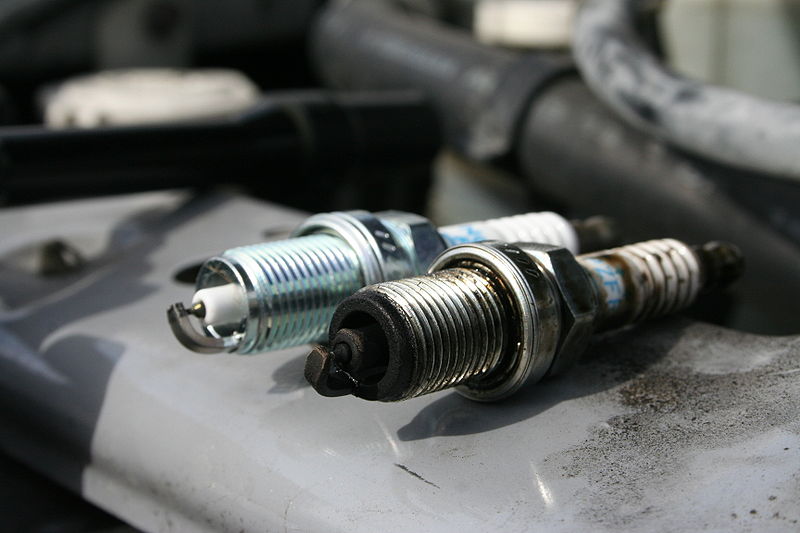
An Engine Misfire
While the symptoms vary by vehicle, this can be a mysterious and sometimes scary problem. Don’t be alarmed, though – this is usually the result of the engine stumbling or presenting a brief hesitation in its power delivery.
Basically, one or more of the cylinders aren’t operating the way they’re supposed to, and it can cause your vehicle to rock or vibrate while idling. The scan tool can determine whether this is your problem by monitoring the speed of the crankshaft while the engine is running. If there is any loss of speed, you have an engine misfire on your hands.
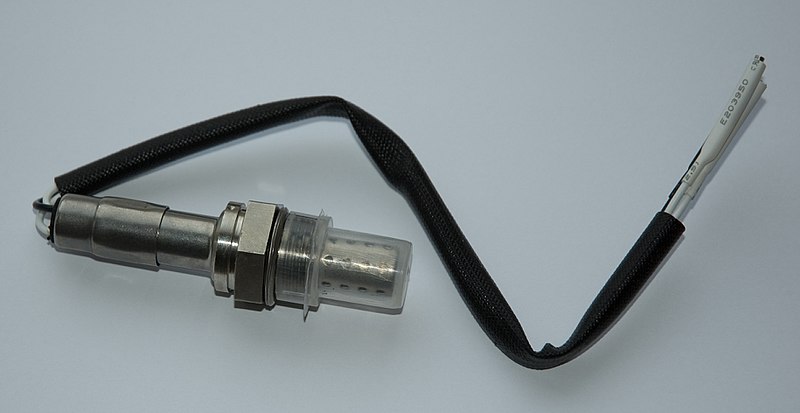
A Faulty Oxygen Sensor
This is perhaps the most common problems car owners face, and that’s a faulty oxygen sensor. You see, the oxygen sensor is designed to monitor the oxygen in your exhaust system. By doing so, the engine computer can adjust the fuel mixture in order to maximize your vehicle’s fuel economy while also minimizing the emissions going out into the air. You can tell whether this could be happening if your gas mileage decreases or your car randomly stalls.
Poor Exhaust Gas Circulation
Exhaust Gas Recirculation, or EGR, is used to control the smog-causing nitrous oxides your engine emits. To do so, the EGR recirculates a portion of the engine’s exhaust gas back into its cylinders through the car’s computer system which opens and closes the valves.
 Unfortunately, this can be impacted if you, for example, haven’t changed the oil hasn’t been changed in a good while or you take one too many short trips that won’t allow the car enough time to warm up to avoid carbon accumulation.
An Issue with the Evaporative System
The evaporative system, or EVAP, contains and removes any vapors that are created when fuel has been burned. This is why they always tell you to make sure your gas cap has been tightened after every fill-up. If the cap is loose, fuel vapors can escape from the gas tank, setting off this specific error code. It may not be a bad idea to check whether this is the case any time your check engine light appears.
A Contaminated Catalytic Converter
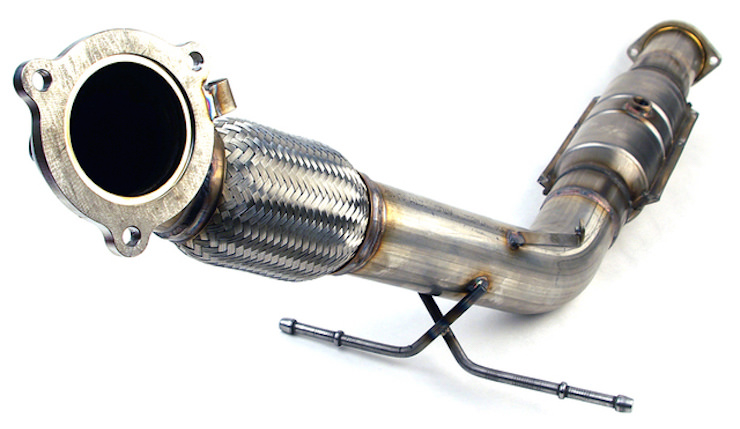
Your vehicle’s catalytic converter, which converts pollutants to less toxic pollutants by catalyzing a redox reaction, is monitored by the downstream oxygen sensor. Over time, the converter can become contaminated by these same toxins and can increase tailpipe emissions, especially if the engine is burning oil, is leaking coolant, or is simply worn down due to age.
As you can tell from the explanations above, when that check engine light appears, more often than not, it’s simply an issue with your car’s emissions. However, while we can take this broader examination of what you could be experiencing, it’s very important to note that it can just be the first sign of a much larger issue at play. Just because your car is telling you there could be an issue with your engine doesn’t mean they’re presenting the entire picture in a clear way.
This is why it’s so important to visit a trusted auto repair specialist who can examine your vehicle thoroughly to determine whether you may have a big problem on your hands. At the very least, it should give you some much-needed peace of mind while you are out on the open road as the last thing you need is yet another distraction when you’re already dealing with other drivers.
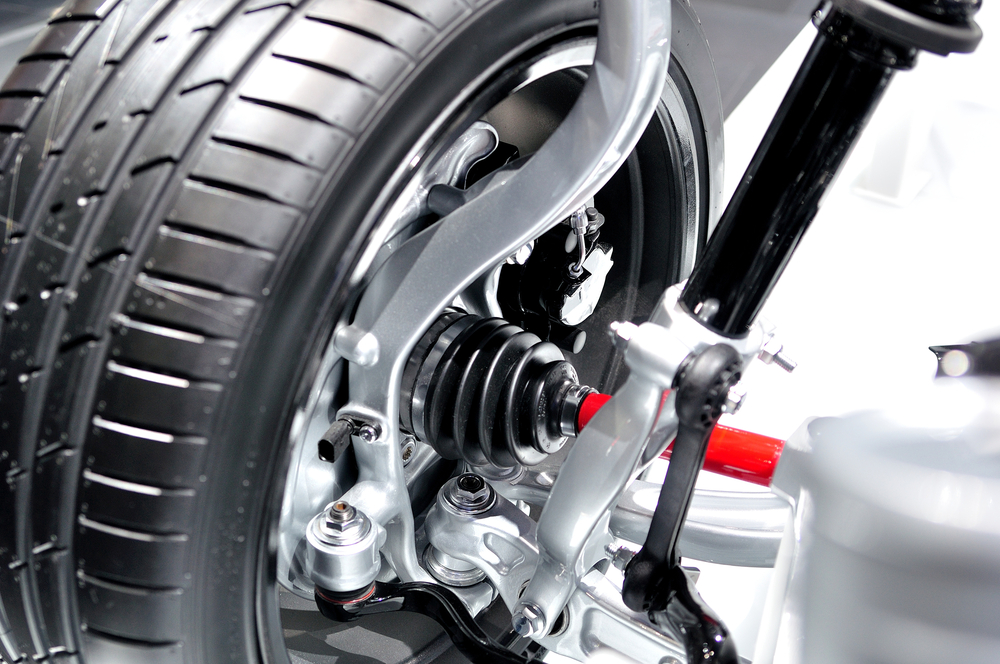
 So, what are rotors exactly? These are the large discs that connect to your tire’s axle and are in charge of bringing your car to a slow or a stop. They do this by utilizing the brake pads and calipers to maneuver your braking system. In fact, the rotors are arguably the most important part of your entire braking system! Fortunately, they are also traditionally made from iron and will last for a long period of time.
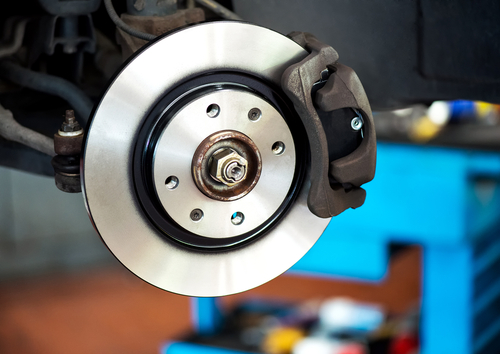 your vehicle to come to a complete stop. Unlike rotors, pads are made from a variety of materials such as metallic and ceramic. Though they are originally 10mm thick upon purchase, their thickness wears down over time, hence the need for replacement. Experts recommend replacing your pads every 30,000-70,000 miles.
 Lastly, the calipers are a component of your system that attaches to the rotors. These work together with the brake pads to slow down your vehicle and bring it to a halt. It is the calipers that squeeze the pads allowing the rotors to stop your car. Like rotors, calipers usually last a long while but there may be times when they will need replacing.