Fall brings cooler temperatures, changing road conditions, and fewer daylight hours. While these seasonal changes may seem minor, they can affect your vehicle’s performance and make everyday driving more challenging. From slippery roads to reduced visibility, understanding common fall driving hazards can help you prepare your car and stay safer behind the wheel.
Wet Leaves Can Reduce Road Traction
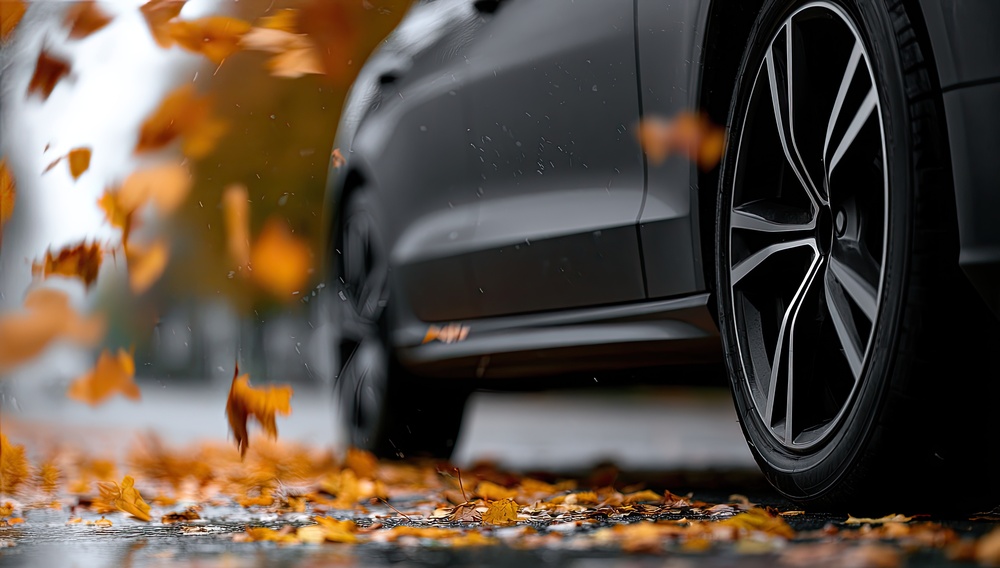
Fallen leaves can create slippery patches on the road, especially when they become wet from rain. These conditions can reduce tire traction and make it harder to brake or steer safely. Leaves may also cover potholes, road markings, and other hazards. To reduce your risk, slow down when driving over leaf-covered roads, avoid sudden braking or sharp turns, and leave extra space between your vehicle and the car ahead. It is also a good idea to clear leaves from your windshield, air vents, and the area around your hood.
Rain Makes Tires and Brakes More Important
Fall rain can make roads slick and increase the risk of skidding or hydroplaning, particularly when water collects on the pavement. Tires with worn tread may struggle to maintain proper contact with the road, while worn windshield wipers can make it difficult to see clearly. The National Highway Traffic Safety Administration’s guide to driving in severe weather recommends reducing speed and increasing following distance when driving in rainy conditions. Checking your tire tread, inspecting your wiper blades, and ensuring your brakes are working properly can help you prepare for wet-weather driving.
Shorter Days Can Affect Visibility
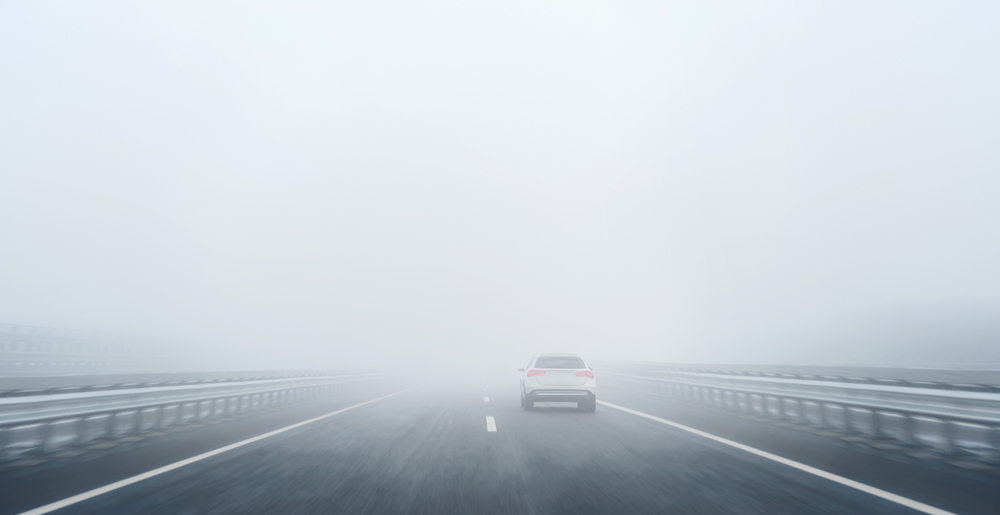
As fall progresses, many drivers spend more time commuting during dawn, dusk, or nighttime. Low sunlight can create glare, while darkness and fog can make pedestrians, animals, and road hazards harder to spot. Make sure your headlights, taillights, and turn signals are working correctly, and keep your windshield and mirrors clean. Replace dim bulbs or damaged wiper blades when needed, and use your headlights whenever visibility decreases. Slowing down and allowing extra stopping distance can also help you respond to hazards you may not see immediately.
Conclusion: Prepare Your Vehicle for Fall Driving
Fall driving conditions can change quickly, but a few preventive steps can help keep your vehicle ready for the season. Pay attention to tire condition, brake performance, windshield visibility, and exterior lights before small issues become bigger concerns. If your vehicle needs maintenance or you notice changes in how it handles, Mike’s Brake & Alignment can help. Visit mikesautospa.com to learn more about our available services and keep your vehicle prepared for the road ahead.