Mike's Brake & Alignment Shop

Honest & Quality Service

Category: Uncategorized (page 10 of 10)

The Process of State Inspections for Vehicles

Aside from having auto insurance, many states around our country require you to go through their version of a state inspection to ensure the safety and performance of your vehicle on the road. Their intended goal is to keep drivers, their passengers, and everything around you safe.

As you can imagine, since a state inspection is designed to check every aspect of a vehicle, not everyone is able to pass this test. Fortunately, you should be able to avoid this situation entirely by following a few simple guidelines before you bring your vehicle to our shop to be inspected. With that in mind, here are some of the fundamental aspects of a state inspection.

How to Make Sure Your Vehicle Passes a State Inspection

First things first, you need to make sure that your vehicle’s headlights, signal lights, and brake lights all function properly. Check to make sure none of the bulbs are loose since this may cause a problem. You also want to check the quality of your wiper blades and ascertain whether they have any tears.

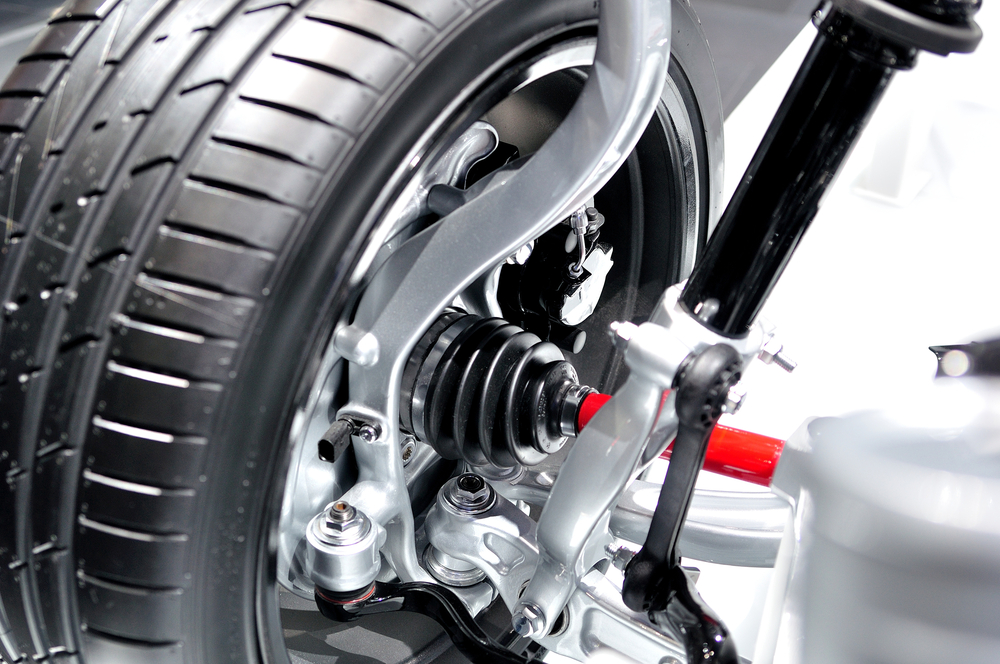
Going to the side, take a look at the depth of the tread in your tires; the tread must be 2/32nds of an inch or greater with nothing punctured into the tires themselves. The easy way to find this out is by following the penny test – place a penny between the tread ribs of your tire with Lincoln’s head on the coin pointed down.

If the top of his head disappears between the ribs (or the raised portion of tread that spans the circumference of the tire), your tread is above 2/32nds of an inch. If you can see his entire head, you may need to have your tires replaced. Speaking of which, all your tires must be equipped with their required lug nuts fastened on.

Now that we have the exterior out of the way, let’s take a look under the hood – literally. You will want to check to make sure your vehicle has the proper amount of power steering fluid and brake fluid. If you don’t know how to find this, take a look at your vehicle’s owner manual.

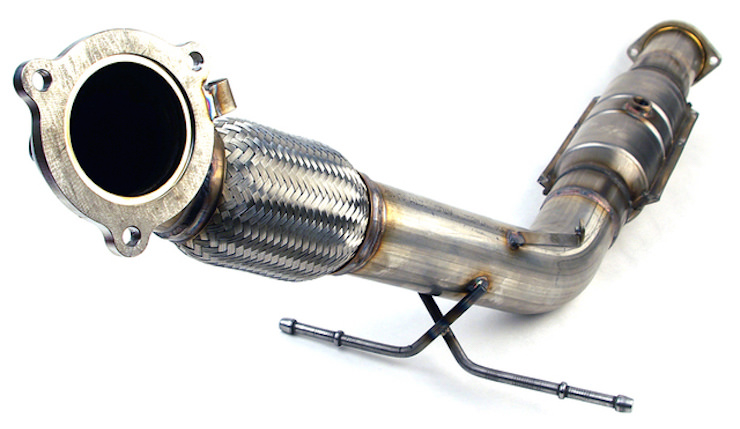
If the fluids are underneath the minimum mark on the fluid containers, you won’t pass the state inspection. The same can be said about the exhaust system – it must be fully intact without any signs of a leak. If you believe that there could be any leaks here or with the fluid levels, bring your vehicle to a professional mechanic to have it checked out.

Finally, the windows. You must be certain the tinting on your windows falls within the acceptable range as enforced by the Department of Public Safety which states how much percentage of light must be able to pass through the vehicle. The place you have your state inspection at will be able to tell you whether you pass or not.

What Happens When You Don’t Have State Inspections

For those who drive in a state that requires state inspections, it goes without saying that complying with the laws will help you avoid being charged a fine while also ensuring you are driving legally. If you happened to be stopped by a law enforcement officer for any type of violation on the road, you could get a ticket for a lapsed state inspection. This is also required if you plan on buying, selling, or registering your vehicle in a state that requires an up-to-date inspection.

The game goes if you park in the street or travel in an urban area where the expectations regarding state inspections are just as great as the heavy fine you’ll receive. Much like vehicle tags, state inspection stickers vary in color on a periodic basis depending on the state, so it’s easy to spot if you have an out-of-date sticker.

By and large, the reason these annual inspections are enforced is it’s a general assumption that people won’t do anything unless they have to. Without them, there’s a good chance people would be driving around all over the road in what can be described as safety hazards on wheels. In essence, state inspections help keep drivers safe from others and from themselves!

Transmission 101: Why You Should Maintain Your Transmission

When you are a car owner, you’ve heard the word “transmission” thrown a lot. But, do you actually know what that means, or what the function of your transmission of your actually is? If you do not, that is perfectly okay, not many people do. We are here to inform you a little bit about the function of your transmission and when you should be seeking out a transmission repair.

Basic Functions of Your Transmission

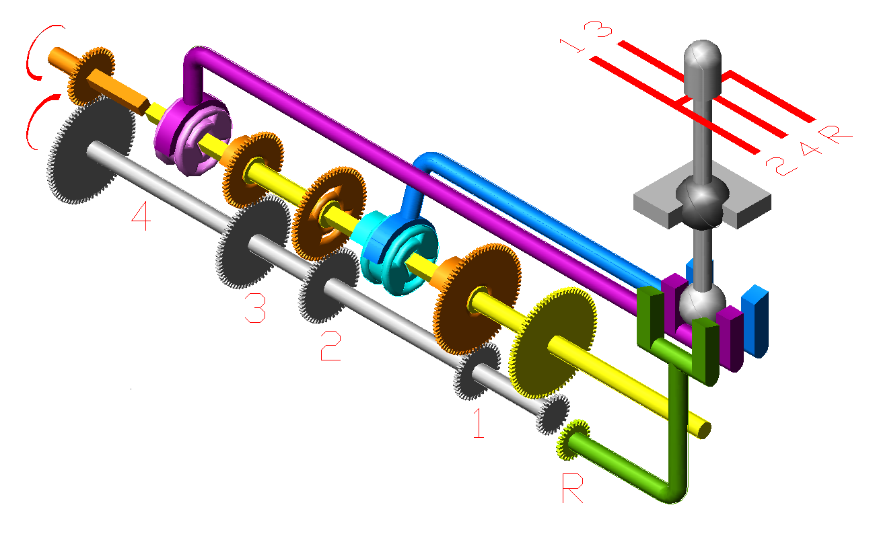
To put it simply the transmission is responsible for sending power from your engine to your wheels, so you can actually accelerate and get somewhere. For those of you who drive a manual transmission vehicle, you will notice the numbers on the gearstick in your car.

Depending on how many gears your car has, you will see they number one through 5, maybe even 6, and obviously reverse. These numbers represent the gear that you are currently. When you accelerate from a full stop, you go into gear one. If you were to accelerate from a full stop, say into gear four or five, then your car would not go anywhere and your car will stall out. That is because each gear refers to the proportion of engine shaft speed to driveshaft speed.

So to make things easier to understand, the lower the gear, the higher the acceleration. You need more RPMs to say, accelerate from a full stop or go up a hill, but if you are going full speed on the highway, you can cruise in a higher gear and a lower RPM. If you were going 60 MPH and still stuck in 3rd gear, you would blow your engine out. An automatic transmission works in much the same way, but as the name states, automatically. There is no clutch and gearstick involved.

Signs You Need Repair

Often your vehicle will show telltale signs that it is in need of service, so pay attention when you feel something is not normal. First and probably the most noticeable is a problem shifting gears. Some of the symptoms could be jerking while shifting gears or your vehicle falling out of gear completely.

Other issues include grinding between gears, strange noises, leaks, and a burning smell coming from your transmission.

Conclusion

So now you know the basic functions of a vehicle transmission. Without it, you wouldn’t be going anywhere, and that is why it is very important to keep your transmission in proper working order. When you need the transmission of your vehicle serviced, make sure you bring it to a trusted auto repair shop, lest the problem become worse. We hope that you feel more informed about the importance of a properly functioning transmission.

Common Causes For a Check Engine Light

Although our check engine lights are meant to help us diagnose problems with our car, more often than not, seeing that light pop up on our dash can leave us just as ignorant if not more so than before! With so many different issues that can be linked to that infamous light, how can drivers be expected to go down the list and find the one ailing their vehicle?

Fortunately for those dreading the idea of being left in the dark until their visit to the mechanic, there are a few common reasons that cause that light to rear its head. Read on for some of the more common issues linking back to that light and see if you can get a head start on discovering the cause of your car’s problem before having it confirmed with engine diagnostics.

Spark Plugs

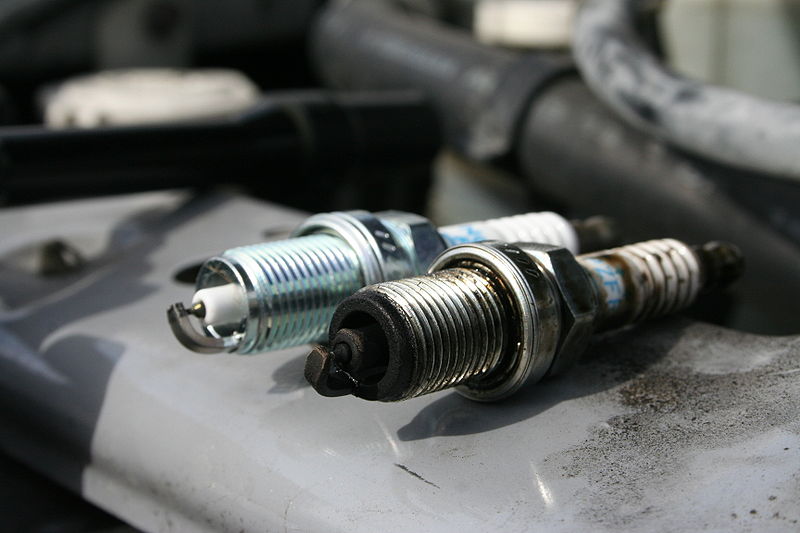
Damaged spark plugs are a very common sight for most mechanics and one of the first things checked when you car’s check engine light brightens up. For those a little lacking in their familiarity with how their car runs, the spark plugs are responsible for igniting the air and fuel in combustion chamber to ignite the vehicle when it starts. If these crucial components become worn down your car’s fuel economy can take a noticeable plummet. In addition, damaged spark plugs, if left unchecked for long, can go on to further damage other fixtures like catalytic converters and ignition coils.

If you notice your check engine light is followed by higher fuel consumption, a misfiring engine, and trouble starting your car, you might be looking at some damaged plugs that need some attention.

Oxygen Sensor

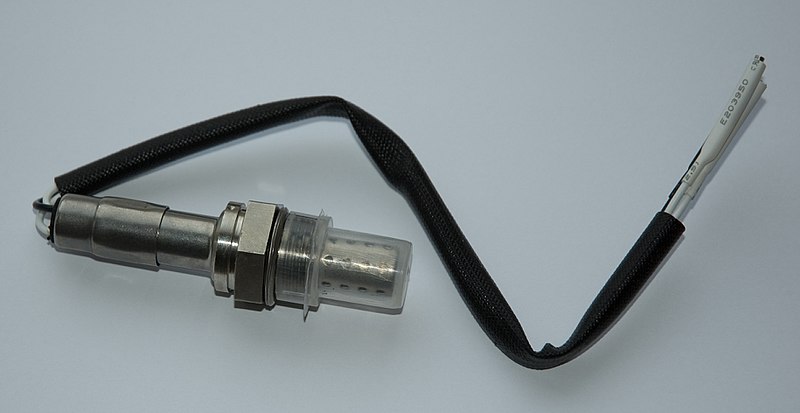
Your oxygen sensor is what measures the amount of un-burned oxygen remaining in a car’s exhaust. If damaged, your engine can easily begin consuming more fuel than necessary to get it moving. In addition to the lost fuel economy, like the spark plugs, a damaged oxygen sensor can go on to damage other fixtures in the vehicle like the converter.

Unfortunately, a variety of symptoms pertaining to a damaged oxygen sensor are also experienced in the case of damaged spark plugs. If you’ve experienced rough engine idle and misfires or increased gas consumption along with you check engine light, it would be wise to visit a mechanic to get to the bottom of the cause.

Catalytic Converter

Without getting too technical, your catalytic converter is what converts harmful carbon monoxide into carbon dioxide. That being said, a malfunctioning converter is just as harmful to others around your vehicle as it is to you. If this happens to be what’s causing your check engine light to show, failing to have it checked can cause you to fail future emission tests and diminish your vehicle’s performance and lifespan.

Conclusion

It’s no surprise that your car is an infinitely complex piece of machinery. So much so that even tools like our check engine light only rule out a few prospective issues. If you notice that your vehicle is acting strangely and your dash is visited by some concerning lights, consider these three issues and receive the aid of a diligently trained mechanic to have them addressed and alleviated in no time flat!

Hello world!

Welcome to WordPress. This is your first post. Edit or delete it, then start blogging!

Newer posts