Are you constantly having issues with your car’s engine? One of the top reasons why your engine may be failing is because of the coolant system. This part of your vehicle works hard to prevent the engine from freezing or overheating. However, your coolant system may need a full inspection to ensure each part is working properly. To keep your engine in good shape, continue reading to find out which coolant parts need to be checked.
Heater and Radiator Hoses
In order for the coolant to move throughout the system, hoses are used to direct where the coolant needs to go. You can check on these hoses when the engine is cool. Some things to look for is cracking, fraying, or swelling. Also, make sure that the hoses are secured correctly. Any loose-fitting parts can have a major effect on the entire system.
Heater Core
The heater core allows for the cabin air to warm up when you have your engine running. It also helps the coolant lose heat before returning to the radiator to be cooled down. AutoZone suggests to “inspect for signs of leakage indicated by fluid around the heater core or wet spots on your carpet. Constant presence of fog on the inside of your windshield can also mean that your heater core needs replacing.”
Radiator Fluid
Your coolant reservoir needs to be filled with an even mixture of antifreeze and water to get the right amount of cool air. You can check to see if the radiator fluid needs a refill if it doesn’t reach the “full” line. To prevent damage to your coolant system, fill with antifreeze as needed. If you’re unsure about the fluid ratio, contact your local auto mechanic.
Conclusion
Your car’s engine depends on the coolant system, which allows for optimal performance when driving. If you’re running into complications with the engine or other parts of your vehicle, schedule an appointment at Mike’s Brake & Alignment Shop. Our mechanics ensure customer satisfaction with every service, so visit us today!
During the months of spring, many people pack up their vehicles for a spring break road trip! While driving to your sunny destination is often the best form of transportation, you need to first ensure that your vehicle is capable of safely getting you there. While you’re about to enjoy your break, maybe your car’s brakes need some TLC too! Continue reading to see if your car needs a professional brake inspection before you hit the road.
Signs that it’s time for a brake inspection:
People tend to get their vehicles inspected and fixed up before the winter months in order to ensure driving in harsh condition are safe. However, many people forget that maintenance is often required after those winter months as well. Whether you’ve been driving through snow or rain, making sure your vehicle is safe to continue driving is important. If you’re preparing for your spring break road trip, be sure to look out for the signs that your brakes may need maintenance.
When it comes to maintenance, think about the last time you got your brakes inspected or replaced. It is suggested you get annual maintenance done, which is the best way to ensure your brakes are in working order. If it’s been a while, maybe it’s time to consider a brake inspection.
Keep an eye on your dashboard’s lights. Your maintenance light is a sure sign you are in need of an inspection at the very least. Whether there is truly something wrong or you simply are airing on the side of caution, coming in for an inspection and potential replacement when your light comes on is important.
Go for a pre-road trip drive and listen for any unusual or concerning sounds your brakes might be making. If you hear any squeaks or groans, it is suggested you get an inspection before you make your main trip.
Conclusion
At the end of the day, it is always better safe than sorry. Driving through the winter can cause intense wear and tear on different parts of your vehicle. If you’re planning a spring road trip, it’s important you get the proper brake inspection and maintenance done before hand. If you’re in need of a reliable and trustworthy brake expert, Mike’s Brakes & Alignmentis the place for you!
You’re driving along and hit the brakes when you suddenly
feel a shaking. It’s not an earthquake, it’s coming from your car. Feeling your
entire vehicle vibrate isn’t a pleasant experience, but an experienced car
mechanic will likely be able to diagnose the issue quickly.
If a car shakes while braking it’s likely one of the following issues.
Warped Brake Rotors
If the brake rotors are not perfectly flat, this can lead to
vibrations. If there is enough metal present, the surface can be smoothed out
with a machining lathe. Generally the entire rotor will need to be replaced and
smoothed out before installing. Even when rotors are new they should be turned
on a lathe as they can warp while in storage. Warped rotors are a problem that
is most often seen in new cars. In order to make a car fuel efficient,
manufacturers keep the car as light as possible. Instead of the thicker, much heavier
brake rotors of past, newer cars have much less heavy metal as a strategy to
increase its fuel economy.
Worn Brake Pads or Brake Drums
Oil and dirt on your brake pads can prevent the surface from
being perfectly smooth, which is needed for clean, shake-free braking. Brake
pads or brake drums can similarly be worn down so that the surface is rough and
uneven. In this case the solution is similar, smooth out the surface or replace
completely. Any surface irregularities will lead to car vibration. If the
shaking continues for too long without being fixed, it can damage other
components within the braking system. It’s much less expensive to replace a
worn out part of your braking system than the entire braking system.
“Tightening the front wheel lugs with the wrong tool can lead to vibration.”
Overly Tight Front Wheel Lugs
Tightening the front wheel lugs with the wrong tool can lead
to vibration. A torque wrench will allow you to tighten all wheel lugs to the
same level of tension. A pneumatic wrench will not give you a consistent level
of tension so it’s easy to overtighten a wheel lug which can lead to warped
brake rotors.
Problems with Brake Guide Pins
The guide pin is a part of a car’s brake caliper. If they
are dirty and corroded they won’t work properly. Making sure your guide pins
are clean and properly lubricated will keep them functioning in peak condition.
Experiencing problems with your brakes? Contact us today to see how we can help.
Is your car making strange sounds
on your morning commute? Have you been looking for a reliable mechanic to trust
your normal maintenance schedule with? One way you can know your car is being
well cared for is if the mechanic is ASE certified. Keep reading to discover what
it is and why ASE certification is important for your vehicle care.
*Note: If you’ve found an ASE
certified mechanic you can trust, give our other article a read
to learn how to properly work with your mechanic for a flawless maintenance
trip every time.
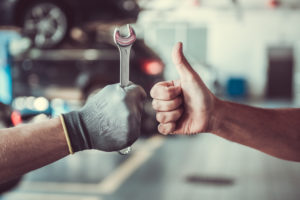
Mechanic and customer giving a thumbs up.
What is ASE Certification?
When it comes to choosing your
mechanic, finding one with that little blue and white sticker can be highly
reassuring for consumers. Standing for “Automotive Service Excellence,”
this certification process is designed to test and certify automotive
professionals. The certification process began in 1972 and is used as the
standard of excellence for every mechanic in the nation. It’s also useful to
note that clients can ask which mechanics in a specific shop are ASE certified
and request only their services.
Why is it Important?
With the need to properly
maintain and care for your vehicle, finding an ASE certified mechanic or shop
provides peace of mind in caring for your vehicle. For auto repair shops it’s
highly beneficial because they know they’ve hired knowledgeable and professional
mechanics to serve their clientele. Consumers will also rest easy knowing their
vehicles are being cared for by a professional mechanic with the necessary
training to keep their cars running the way they should.
How it Works
As a measuring tool for
consumers, it’s important to understand just how the certification process
works for your own knowledge. There are two types of ASE certifications with
specific requirements and criteria’s for each. ASE certification requires
mechanics to have at minimum two years of automotive experience and should be
able to finish and pass at least one of the specialty exams.
Mechanic smiling while working on a vehicle.
For an ASE Master Certification,
mechanics who’ve taken and passed the ASE exams on various subjects may choose
to go for their master certification. For each specific area there are multiple
tests which the automotive professional must pass in order to obtain their
certification. It’s also a requirement for all ASE certified professionals to
renew their certificate every five years in order to maintain their knowledge.
Thoughts
With so many
automotive shops and professionals to choose from for your vehicle care needs,
the search can be narrowed down by looking for that ASE certified sticker. From
understanding what ASE certification is to why it’s important, you’ll be able
to trust your car is being well cared for. If you’re still searching for your
personal mechanic, bring your vehicle into Mike’s Brake & Alignment
Shop where our ASE certified mechanics will be able to properly maintain and
care for your car. Contact us today!
While it is always important to be confident in your driving
skills, especially through difficult weather, it is important to understand the
dangers that can come with it. With the world throwing any type of rain or
shine at us however it sees fit, there is nothing more vital than knowing how
to handle the changing seasons when driving on the road. There is no better
example of a weather hazard than those that come up when it snows. Read further
to learn about the most common hazards that can arise when it snows and how to
avoid them.
Dying Battery From
the Cold:
A more indirect effect of snow, the extreme cold and
insulation created by your hood can result in the draining of your battery.
Cold naturally drains the energy out of any battery over time and considering
how important they are for a car to run properly, it is important to keep this
in mind and take steps to prevent it. The easiest ways to prevent your battery
from losing its charge are to get the battery checked before the cold season
comes to ensure it is not already low and trying to keep your car parked in
some kind of enclosure or garage at all times when it’s not running. Another
helpful tip is to give your car some time to warm up after you turn it on
before using any accessories; using the radio or heater as soon as the engine
is on may not give the battery enough time to recharge from the drain the cold
has called, meaning it could stall.
No Traction on
Wheels:
It seems like an obvious bit of advice, but it needs to be
said again because of how important it truly is to ensure you keep control of
your car while you drive. Snow causes an incredible amount of difficulty for
your tires to gain traction on the road, which means that as soon as you relax
on the wheel for even a minute, you could end up losing control if even the
slightest change of terrain occurs. The most dangerous and common concern when
it comes to snow is actually not even the snow itself, it’s the ice it may be
covering that you wouldn’t notice. Hidden ice on the road is often referred to
as “black ice” due to its extremely dangerous nature and the inability you
would have to control your car if you drive over it too fast. Ways of
counteracting this lack of traction is to constantly keep both hands firmly on
the wheel, don’t take turns too sharply and never drive your car too fast when
there are snowy or icy conditions.
Poor Visibility:
There is one constant when it comes to driving a car, if you
can’t see where you are going, you can’t drive. One of the largest obstacles a
person faces in any kind of bad weather is the issues that arise with
visibility. Rain and snow can cause serious issues when it comes to seeing the
road in front of you, which means you always need to have an increased sense of
vigilance as well as taking steps to lessen the effects. Keeping your heater on
the windshield setting while you drive helps to keep new ice from forming or
snow from sticking on the windshield while still keeping you warm. Keeping a
scraper in your car is also very important to help get the ice buildup off of
your windows before you even drive it, because with the air being so cold, it
would take way too long for it to melt on its own when you drive. Only use your
windshield wipers if there is true snowfall, because the friction of the wipers
on the windshield with the cold of the outside air could also cause the window
to fog up slightly, further reducing visibility.
Conclusion:
There are plenty of different ways in which you can prevent
yourself from danger while driving in the snow, but the most important thing is
that you always employ these tips and never get comfortable. The ice and snow
are constant hazards which require constant vigilance, so always take them
seriously. When it comes to preparing yourself with the best tires and
alignment for that upcoming cold season, there is no place better to go than Mike’s Brake &
Alignment Shop, so come on in and let’s tackle this winter together.
The winter brings about cold temperatures that affect
vehicles in many different ways. Many drivers experience unique car problems
that only happen during the colder season. Thankfully, there are ways to
prevent these problems before they occur. Read this blog post to learn some
easy fixes for common winter car problems.
Dead Battery
Problem: Dead
batteries are one of the most common issues during the winter. Extremely cold
temperatures can drain voltage from the battery; on top of that, batteries must
also work harder than usual to power the car in the winter. The over-exertion
and lack of voltage results in a dead battery.
Prevention: You
can fix a dead battery by giving it a jump start, but it’s easier to avoid this
problem altogether. The best way to preserve your battery is to park your car
in an indoor garage, but if this isn’t an option, buy a new battery before the
winter season begins to prepare your vehicle. If you’re keeping your current
battery, keep all connections clean and tight to get rid of any substances that
can cause corrosion.
Car Won’t Start
Problem: Cars
that are left outside overnight often have difficulty starting up. To start the
car, turn the key and hold it for no longer than 20 seconds. Turn off all
accessories that drain the battery (like the radio, heater, wiper blades, and
lights). If the car still won’t start after a couple attempts, you may need a
jump-start.
Prevention: To
avoid this, turn off all accessories before turning your vehicle off to avoid
draining your battery. You can also use block heaters or battery blankets/wraps
to keep your engine and battery warm overnight.
Deflated Tires
Problem: When the
air in the tires gets colder, it contracts and has less pressure, causing
under-inflation. Underinflated tires can overheat and burst, which can result
in severe accidents. Factor in the slippery roads and poor tire traction and
you’ve got a recipe for disaster.
Prevention: Check
your tire pressure regularly during the winter, and keep the tire pressure at
the level recommended by the car manufacturer. During stormy weather, reduce
your speed and downshift to a lower gear. If your tires are old or have worn
tread, replace all four tires. If your area has snowfall, ask your local
mechanic about installing snow tires.
Frozen Windshield Wipers
Problem:
Windshield wipers can freeze to the glass and break, which is inconvenient when
you are trying to drive in the middle of a blizzard or downpour.
Prevention: Wipe
each wiper down with rubbing alcohol, and clean your windshield of snow and ice
before you drive. This can improve visibility, prevent the blades from sticking
to the windshield, and clear away any ice that is stuck to the blades. Placing
a pair of socks on the blades the night before can save you a world of trouble.
You can also purchase hingeless winter wipers, which are made without metal
points that snow and ice tend to accumulate on.
Frozen Car Windows
Problem: Ice
forms on your windows overnight due to the cold temperatures.
Prevention: Cover
your windows with plastic bags, bath mats, or a plastic tablecloth, and secure
it with rubber bands or clothespins. Remove them in the morning and your
windows will be ice-free! Another way to prevent an ice buildup is to wipe your
windows with undiluted white vinegar every night.
Thick Car Fluids
Problem: As the
temperature gets colder, the fluids in your car get thicker, causing them to
work less efficiently. Think of running molasses through your engine – not a
good idea! Thick oils and fluids can cause tears in the internal seals,
resulting in expensive damages.
Prevention:
Before you leave, run the car for 10-15 minutes; the engine will heat up and
thin out the fluids. Change your car fluids on a regular basis, and switch to a
low-viscosity oil in the winter. The type of oil you should use is listed in
your owner’s manual, or ask your local mechanic for assistance.
Conclusion
The colder temperatures can bring about various car
problems. If you need a winter car repair or maintenance service, come to Mike’s Brake &
Alignment Shop! We’ll get your car fixed up in a flash!
When it comes to your transmission, you always want to keep
it at its best. The last thing you want is to be left dealing with additional
problems due to you not handling your transmission issues right away. Your
transmission is a critical component of your vehicle and needs proper care for
it to work better as a whole. A faulty transmission is one of the most
expensive repairs on the market. It is for this reason that you need to pay
attention to the following symptoms to ensure your vehicle doesn’t fall victim
to transmission problems.
Gear Shaking or Grinding
Your transmission should always shift smoothly from gear to
gear. There should be no grinding, shaking, or slipping of any kind. When symptoms
like these occur, you may think of it as insignificant, but it isn’t. This
problem won’t go away if you simply ignore it. In fact, it will only get worse.
If you are feeling any shaking or grinding, it’s time to get it looked at.
Whining, Humming, or Clunking When In Neutral
Hearing noises like these are not normal, no matter how
quiet and unnoticeable the sound may be. Though this issue may likely be minor,
it could also be signaling something much worse. When you hear humming or
clunking, it can be due to the transmission fluid breaking down. Your
transmission fluid has to lubricate all of the mechanical gears and components,
so make sure you regularly have it changed.
Do You Smell Something Burning?
When there is a burning smell coming from your vehicle, it
is something to be concerned about. The most common cause of the smell is due
to overheated fluid. Your vehicle basically runs on this fluid as it helps to
protect its complex system. When your fluid begins to deteriorate due to age
and mileage, friction damage between all parts will begin to occur. The
friction will cause the breakdown of your vehicle’s components as well as a
buildup of debris and sludge in your engine.
There are many problems that come along with transmission
issues. They start off small, but eventually turn into a costly issue if not
cared for properly and in a time efficient manner. If peace of mind is your top
priority, then you can count on our team at Mike’s
Brake & Alignment Shop to exceed your expectations.
Getting a tune-up on your car may seem like a needless service. However, if you are invested in your car and are hoping it will be running for a while, we suggest a tune-up every so often. Read along with our blog to learn about what a tune-up is and why you should get one!
Checkup
Many people get medical checkups annually to ensure everything inside them is okay! Checkups are great because they can catch a sickness before it becomes a big deal. A car tune-up is very much the same! When you bring your car in for a tune-up, your mechanic will be going down a checklist of parts and systems to check. Some notable ones are spark plugs, fuel pumps, fuel injectors, PVC valves, oil plus coolant levels, and your engine plus cabin air filters. Over time, these basic parts will begin to wear down and need some maintenance.
Why
Little parts and systems in your car may not seem to be very important, but they are in the long run. If just one or two of these systems begins to wear or lag, it isn’t a huge issue. However, over time, all these parts will need to be repaired. Eventually, you are going to be faced with a plethora of mechanical issues which is not only stressful but also costly. Instead of attempting to get a quick fix on all your little maintenance needs at once, you should invest in a tune-up which will ensure everything is good to go. Just like a medical checkup is mostly for preventative measures, so is a tune-up! Instead of waiting till your health is completely unwell, you should annually get checked to get a head start on fixing issues before they become an emergency.
Conclusion
Your vehicle can be an important and key part of your life. If you want to treat it like such, regular tune-ups are essential. Get it regularly checked for underlying mechanical maintenance issues. If you haven’t had a tune-up in a while, check out our website to get started and set up an appointment today!
As the only thing between your
car and the road, the tires carry quite a bit of pressure. With the amount of
rotations they go through to the amount of air normally lost due to how often
you drive, a lot can happen to cause excessive wear and tear on your tires.
Keep reading to learn more about three of the basic tire maintenance steps
every driver should know.
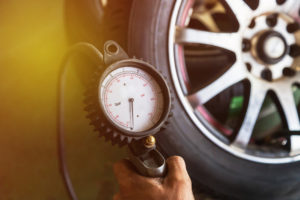
Checking the tire pressure.
Check Tire Pressure
To ensure your gas mileage stays
in a healthy range and you remain safe on the road, always check and fill your
tire pressure. A car’s tires naturally lose about 1-2 psi every month which
means continued neglect will result in a dangerous blow-out. Don’t risk your
safety and the safety of others while on the road and check your tire pressure
periodically.
Rotate Your Tires
Most mechanics recommend rotating
your tires every 5-7,000 miles. This is due to the amount of wear most front
wheel drive cars experience on their tires. By rotating your front tires to the
rear and vice versa you will ensure an even better tread wear on your vehicle.
Periodically rotating your tires will also allow you to maintain a good gas
mileage. Not taking proper care of your vehicle’s tires will drastically reduce
the gas mileage and performance of your car.
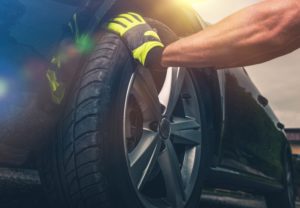
Mechanic rotating a car’s tires.
Perform a Visual Inspection
Visual inspections of your tires
are a handy way to ensure the tread is still within safety limits. While it is
never a good sign that you can tell your tires are going flat, simply taking
the time to inspect them will allow you to address any issues. Performing a visual
inspection of your tires is an excellent way to spot any cuts or bulges on them.
Thoughts
From simply checking the tire
pressure to using proper tire rotation schedules and even visual inspections,
you will be able to keep a proper eye on your tire’s wear and tear. Be sure to
call on the team at Mike’s Brake & Alignment Shop for all
of your vehicle needs. Call us today to schedule an exceptional tire service!
Maintaining your vehicle
with up-to-date inspections and auto services is essential for your car. Of
course, even with such inspections, there may be a reoccurring problem or
perhaps a new issue you’re dealing with. From deflated tires to squeaky brakes,
we’re going down the list of common car problems and how to prevent them!
Dead Battery
Most car batteries
should last about three to five years, or an equivalent of 50,000 miles. A dead
battery is usually caused by reduced amps (or electrical currents) which
naturally decrease as the battery loses its ability to maintain
a charge. A failing alternator, battery temperature sensor, or other
charging system component can also cause more damage. Our advice? It’s best to
replace your car battery every 50,000 miles or three years, even if it’s not
showing signs of damage.
Flat Tires
While most tires become
flat after hitting an object or being punctured, it’s likely for wear and tear
to be the main cause. Extend your tire’s lifespan by keeping them properly
rotated, as suggested by the vehicle manufacturer. Generally, having your tires
rotated every 5,000 miles is recommended.
Squeaky Brakes
Like other components in
your car, the brake system is intended to wear out over a designated period of
time. Brakes are important for stopping safely, so when they start to show any
issues, like squeaking or grinding, your vehicle should be inspected by a
professional mechanic as soon as possible. A mechanic can replace your brake
pads and identify any other underlying problems.
Steering Wheel Shaking
Multiple issues can cause
the steering wheel to shake while driving. If it happens right after
starting your car or as you begin to drive, it could be from wheel bearings/damaged
suspension component. If it happens at higher speeds, it may be from a tire or wheel
balance issue. Regardless, having a professional mechanic inspect the problem is
your best option!
Conclusion
Dealing with car
problems, like a dead battery or flat tires, can be a hassle. We suggest
getting your car regularly maintained by the team at Mike’s Brake &
Alignment Shop. We have the necessary equipment and certified staff to get your
car fixed in no time. Visit our website for information regarding
our professional auto services!