Mike's Brake & Alignment Shop

Honest & Quality Service

Tag: auto care (page 4 of 5)

The Role of Air Filters in Car Maintenance

When it comes to car maintenance, there are several crucial components that require regular attention to ensure optimal performance and longevity. One such component that often goes overlooked is the air filter. Despite its relatively small size, the air filter plays a vital role in the overall health and efficiency of your vehicle’s engine. In this blog post, we will explore the importance of air filters in car maintenance and why keeping them clean and functioning properly is essential.

What Do Air Filters Do?

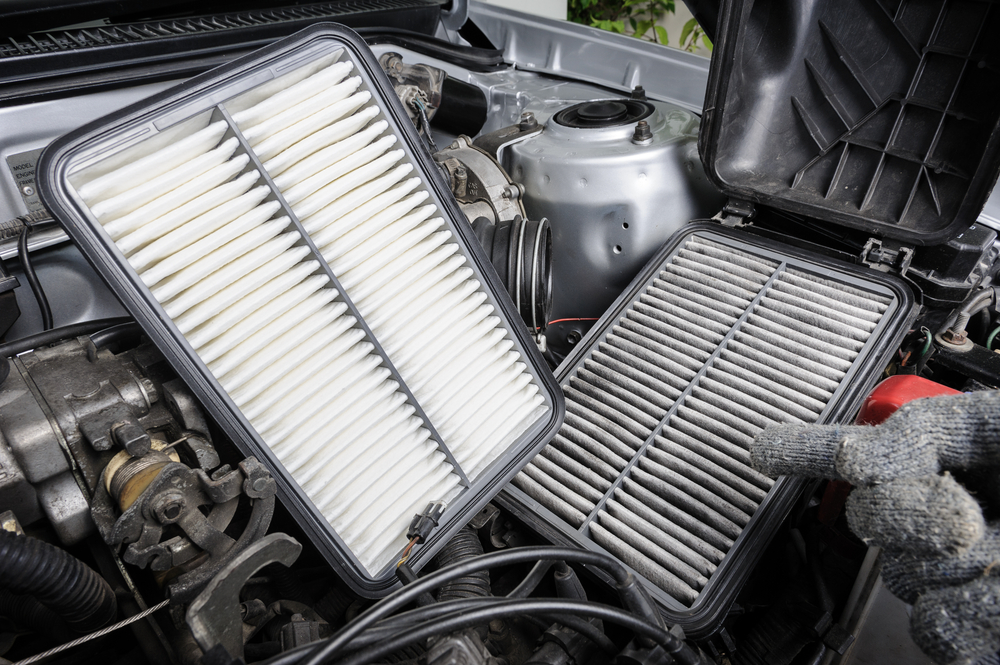
Air filters in cars prevent dirt, dust, pollen, and other contaminants from entering the engine. They ensure that only clean air is reaching the combustion chamber, where the fuel is burned to power your vehicle. Over time, however, the air filter can become clogged with debris, affecting the engine’s performance and fuel efficiency. A dirty air filter restricts airflow, causing the engine to work harder and consume more fuel. Additionally, it can lead to decreased acceleration, rough idling, and even engine misfires. Regularly replacing or cleaning your car’s air filter is a simple but effective way to maintain engine health and prevent costly repairs.

Related: “Routine Maintenance vs Repairs: The Critical Difference and Why Both Matter!”

How to Change Your Air Filter

Changing the air filter in your car is a relatively simple task that can have a significant impact on the performance and longevity of your vehicle’s engine. To begin, locate the air filter housing, which is usually a black plastic box near the engine. Open the housing by removing the clips or screws that hold it together. Take out the old air filter and inspect it for dirt, dust, or damage. If it looks dirty or clogged, it’s time for a replacement. Align the new air filter properly in the housing, ensuring that it fits securely. Finally, reattach the housing cover, making sure all clips or screws are tightened. It’s important to consult your car’s manual for specific instructions and to ensure you purchase the correct air filter for your vehicle. Regularly changing your air filter, typically every 12,000 to 15,000 miles or as recommended by your car manufacturer, will help maintain engine performance and prolong the life of your car.

Related: “Why Do You Need To Hire a Good Mechanic for Your Car?”

Rely On The Professionals

At Mike’s Brake & Alignment, we understand the importance of proper car maintenance, including the regular inspection and replacement of air filters. As a trusted auto service provider in Fort Worth, Texas, we offer professional air filter checks and replacements to keep your vehicle running smoothly. Our experienced technicians are well-versed in the intricacies of various car models and can ensure that your air filter is clean and functioning optimally. Don’t neglect this essential aspect of car maintenance – visit our website at mikesautospa.com or call us at (817) 834-2725 to schedule an appointment today.

Routine Maintenance vs Repairs: The Critical Difference and Why Both Matter!

In the world of automotive care, there are two fundamental categories that every car owner should understand: regular check-ups and fix-ups. At Mike’s Brake & Alignment Shop, we believe that this division not only refers to the complexity of the tasks but also plays diverse roles in your vehicle’s overall maintenance. In this month’s blog, we will walk you through the key differences between maintenance and repairs and illuminate why both are crucial in preserving your vehicle.

Routine Repairs

Routine repairs also referred to as preventive or regular maintenance, are the cornerstone of proactive vehicle care. The main purpose is to maximize the life and performance of your vehicle. However, this category includes some tasks that should be done depending on the time and season, such as oil changes and switching from all-season to winter tires.

By investing in routine maintenance, you can minimize the need for major repairs, thereby safeguarding your investment and ensuring the longevity of your vehicle.

Major Repairs

On the other hand, major repairs are typically unplanned and often result from accidents, prolonged neglect, or parts reaching the end of their lifespan. They are complex tasks such as transmission repairs, installing new brake pads, body work following an accident, or fixing serious electrical issues. These repairs are considerably more time-consuming, expensive and may require specialized knowledge and tools to perform correctly.

Related: Learn more about the importance of hiring a good mechanic for your car here.

The Symbiotic Relationship

Routine and major repairs are interlinked as they represent different aspects of vehicle care. Routine maintenance acts as the first line of defense against major repairs, while neglecting these minor repairs can accelerate the need for the latter.

Simply put, both maintenance and major repairs are not just about keeping your car on the road; they’re about optimizing performance, longevity, and your overall driving experience.

Keep Your Vehicle in Top-Notch Condition Today!

At Mike’s Brake & Alignment Shop, we have the necessary expertise to diagnose and fix any problems that may arise, from engine repairs to electrical issues. Call us at (817) 834-2725 or visit our website at mikesautospa.com to schedule your maintenance or repair service. We’re ready to help you make an informed decision and promise to deliver quality workmanship.

Saving Money on Gas: Fuel Efficiency Tips and Myths

In today’s world, where fuel prices can take a toll on your budget, finding ways to save money on gas is essential. At Mike’s Brake & Alignment Shop, we understand the importance of fuel efficiency and helping our customers maximize their savings at the pump. In this blog post, we will explore fuel efficiency tips and debunk common myths, providing you with practical advice to maximize your savings at the pump.

Fuel Efficiency Tips: Practical Ways to Save

Improving fuel efficiency doesn’t have to be complicated. In fact, there are several simple yet effective strategies you can implement to save money on gas. One of the key tips is to maintain proper tire pressure. Underinflated tires can increase fuel consumption, so make sure to check your tire pressure regularly. Another important tip is to avoid aggressive driving habits, such as sudden accelerations and hard braking, as they can significantly decrease fuel efficiency.

Additionally, removing excess weight from your vehicle and reducing drag by closing windows and removing roof racks when not in use can contribute to better fuel economy. Regular vehicle maintenance, including replacing air filters and getting tune-ups, is also crucial. Lastly, remember to avoid unnecessary idling. If you anticipate being stopped for more than 30 seconds, it’s better to turn off your engine to conserve fuel.

Related: “How Hot and Humid Weather Affects Your Vehicle”

Debunking Fuel Efficiency Myths: Setting the Record Straight

There are numerous myths surrounding fuel efficiency that can mislead car owners. Let’s debunk some of the most common ones. Firstly, using premium gas does not necessarily improve fuel efficiency unless your vehicle specifically requires it. Secondly, aftermarket devices claiming to boost fuel efficiency may not deliver the promised results. It’s best to do your research or consult with your local auto shop. Thirdly, driving at high speeds does not result in better efficiency; in fact, it can increase fuel consumption due to increased wind resistance. It’s important to rely on accurate information and trusted sources when making decisions about your fuel consumption.

Take Control of Your Fuel Efficiency Today!

At Mike’s Brake & Alignment Shop, we are here to help you save money on gas and improve your vehicle’s fuel efficiency. Contact us at (817) 834-2725 or visit our website at mikesautospa.com to schedule an appointment or discuss your specific fuel efficiency concerns. Our team of experts is ready to provide professional advice, perform necessary repairs or adjustments, and ensure your vehicle is operating at optimal fuel efficiency. Start saving on gas and enjoy the long-term benefits of fuel-efficient driving today!

Don’t Skid on Safety: Which Brake Pads are Right for You?

Choosing suitable brake pads is essential to maintaining your car’s braking system. When it comes to your car’s brakes, having the right ones can be the difference between a smooth drive and an accident. Not all brake pads are created equal, and different types of brake pads have different benefits and drawbacks. Here’s a rundown of the different kinds of brake pads and which ones are best for your car.

Related: “4 Signs It’s Time To Install New Brake Pads”

1. Ceramic Brake Pads

Ceramic brake pads are a popular choice for many drivers because they are quiet, produce less dust, and are long-lasting. They are also gentle on your car’s rotors, which can help extend the life of your braking system. However, ceramic brake pads are more expensive than other brake pads, so they may not be the best choice if you’re on a tight budget.

2. Organic Brake Pads

Organic brake pads are made of rubber, glass, and resin. They are generally less expensive than ceramic brake pads, but they don’t last as long and tend to produce more dust. If you’re looking for an affordable option and don’t mind a little extra dust, organic brake pads may be a good choice for you.

3. Metallic Brake Pads

Metallic brake pads are made of metals like copper, iron, and steel. They tend to be more durable than other types of brake pads and can handle high temperatures well. However, metallic brake pads can be noisy and produce a lot of dust, which can be a problem for some drivers.

4. Low-metallic Brake Pads

Low-metallic brake pads are a compromise between ceramic and metallic brake pads. They are made of a mix of metals and other materials, which makes them more durable than organic brake pads but less expensive than ceramic brake pads. They tend to produce less dust than metallic brake pads and are quieter but may not last as long.

Related: “Brake Maintenance Guide”

Conclusion

Whether you choose ceramic, organic, metallic, or low-metallic brake pads, ensure you’re getting high-quality brake pads designed to work with your car’s make and model. So, which type of brake pad is best for your vehicle? It depends on your driving habits, budget, and personal preferences. If you need help determining which brake pad is right, talk to a professional mechanic or a brake repair specialist like Mike’s Brake & Alignment Shop. We can help you choose the best brake pads for your car based on your needs. Contact us at (817) 834-2725 for more information.

Common Signs of Car Steering Problems

Taking your vehicle out for a spin should be an enjoyable and relaxing experience, especially when you know you’re in control. Your steering system ensures a smooth ride. When you can easily control your vehicle, you’ll feel comfortable and safe behind the wheel. The following are some of the warning signs of car steering problems.

1. The steering wheel feels heavy to turn.

Although the majority of cars feature power steering, the steering wheel can still cause a problem during the drive. Low power steering fluid in the reservoir might diminish the power assist and is a sign of a leak. A faulty power steering pump or a worn belt could also be the culprit. If your car has an electric power assist, a bad motor or blown fuse could be the cause.

Related: “Taking Care of Your Power Steering System”

2. You experience vibration in the steering wheel when driving.

If you experience vibration in the steering wheel while driving your car, the main issue could be worn-out tie rods. Other reasons, like a bumpy tire or uneven brake pad, could cause the disruption. Faulty tie rods can produce the effect of a vibrating wheel or make the car feel like it is shuddering. This is an immediate sign to get your vehicle checked and serviced for wheel alignment.  

Related: “4 Signs It’s Time To Install New Brake Pads”

3. Your vehicle tilts to one side while driving.

An unbalanced steering wheel can cause the vehicle to drift to one side while driving. This is highly dangerous if you drive in heavy traffic or on the highway at a great speed. A bad steering alignment can point one or more tires in the wrong direction and lead to pulling and wandering to one side, as can a faulty brake caliper stuck open or closed. Worn tie rods can also cause drifting.

Related: “How to Know if You Need Your Wheels Aligned or Balanced”

Conclusion

While most auto mechanics are legitimate business owners that do a great job of repairing both new and used vehicles, it’s always best to do a bit of vetting before handing over your keys for a repair. When you choose Mike’s Brake & Alignment Shop in Fort Worth, TX, you select a local family-owned and operated business with nearly twenty years of proven success. Visit our website for a complete list of our services or contact us by calling (817) 834-2725 today for your free auto estimate!

How to Get Your Vehicle Ready for Spring

As the winter season fades, you can finally start to enjoy driving in warmer weather. However, when you are driving in the winter, chances are the cold weather has done a number on your vehicle components. Therefore, it is wise to do a thorough inspection to prepare your car for spring. Here are the most crucial components to check to make sure your car is ready for spring and summer.

Inspect Your Windshield Wipers

With the return of spring, a careful inspection of the windshield wipers is highly recommended to verify that they are in good working order. Nevertheless, the best thing is to replace them, the cold weather is very harmful for the rubber, which then deteriorates, making the brushes less efficient. Also, remember to change them at the end of the summer.

Take A Look At Your Battery

Take advantage of the return of sunny days to take a look at your battery charge and give it a little boost if necessary. If you were noticing a poor performance during winter, consider buying a new one to avoid any battery failures in the future.

Change Your Oil

Regular oil changes are essential to keep your engine running smoothly, and spring is a great time to do it. A fresh oil change can help improve fuel efficiency, reduce emissions, and extend the life of your engine. Keep your car in its optimum condition with routine oil changes.

Related: Learn more about when your car needs oil changing here.

Switch Out Those Winter Tires

Many car owners think that it is not necessary to change tires in the spring or summer and that they can very well continue driving with winter tires to avoid new expenses. Since winter tires are designed for cold roads, they may deteriorate quicker if the ground exceeds 7 degrees. Change your winter tires with summer or all-season tires from mid-March for your safety and your pocket.

Related: Learn more how when to use all-season and winter tires here.

We’re At Your Service All Season Long

Spring is the perfect time to give your vehicle a tune-up and make sure it’s ready to tackle the changing weather and road conditions. Our team is here to help you make sure that your vehicle is running smoothly and safely all spring long. Give us a call 817-834-2725 at for any assistance and check out our website to see our comprehensive list of services.

All-Season Vs Winter Tires: Which Should I Pick?

When the temperatures start to drop and summer tires no longer allow you to feel safe in your vehicle, it’s time to change them for winter tires. However, a few years ago, only winter tires made it possible to face winter conditions in complete safety. But today, with the development of “4 seasons” tires, these hybrid tires can take you everywhere, so the question arises: Is it better to use seasonal tires or switch to all-season tires? Simply keep scrolling to learn more.

All-Season Tires: The Champions of Versatility, Master of None

All-season tires are generalists. They are able to cope with all weather conditions due to their versatility. They perform better than winter tires in the summer and are more reliable than summer tires in the cold season. This is where the main advantage of 4-season tires lies, along with limiting the risk of accidents during a sudden change in weather. Just make sure to get them properly aligned. This is because you’ll drive in harsh weather.

Related: learn more on how to know if your tires need to be balanced or aligned here.   

Winter Tires: The Sub-Freezing Hero

Winter tires are a type specially designed for driving in winter conditions, such as in the rain, on slippery roads, snow, or ice. In general, it should be remembered that as soon as the temperatures drop below 7°C, you must put on winter tires. Nonetheless, there are many types of winter tires, and with the help of a tires specialist, you’ll get the most functional ones.

What About Summer Tires With Chains?

Chains are a solution that can always prevent you from getting stuck in the snow, even if it obviously offers only very limited versatility and can sometimes be complicated to install. It is, therefore, far from offering the same services as winter or 4-season tires, which can be useful even on dry or wet roads when the temperature is below 7°C. However, in a state like Texas, it is allowed to use chains only during a time of snow and ice, as per Texas law.

Conclusion

Your tires should meet your needs regardless of the season. With the above information, along with your driving habits, you’ll make up your mind about what type of tires are good for you. The expert team here at Mike’s Brake & Alignment Shop has the knowledge and skills to provide you with the right tires. To learn more about our services, please visit our website.

How to See Past Angles When Inspecting Vehicular Alignment

Tire alignment is one of the most overlooked parts of vehicle maintenance. Although it is highly crucial to keep up with the maintenance of your car’s alignment, people tend to ignore it. Have you experienced sudden jerks or your car swaying in a different direction? It is high time you schedule a tire alignment service with your mechanic. The following are some of the most effective ways to inspect your vehicle’s alignment.

1. Inspect the Setback

In professional terms, setback is an angle which allows you to see and measure the difference in distance between the centers of the front wheels. Minimizing the distance between toe, camber, and caster close to tolerance will do a pretty good alignment job, but the aftershocks can still be felt on certain occasions. Taking the angle from setback could show damage to control arms, bushings, and frames. As a result, always inspect from the setback.

2. Look at the Ride Height

The caster, toe, and camber are highly dynamic. Long periods of exposure to the road without maintenance and proper wheel alignment may be the primary cause of the distance between these three units. The OEMs will ensure tire functioning and axle health as appropriate if the ride height is correct. If you are missing a coil or a spring, it can drastically change the wheel alignment operations. So always check the vehicle’s ride height.

3. Make Side to Side Comparisons

Sometimes it is hard to figure out a bent shape from one angle. Experts believe that comparing side to side is the best way to find any technical faults in the alignment of your vehicle. If it feels lopsided from one angle, you are in dire need of a wheel alignment. The key areas to observe are the steering arms, strut mounting points, and control arms. Most chassis parts are designed to bend at strategic points to prevent damage to the frame or unibody in the event of a crash.

Related: “4 Ways to Know You Need a Vehicle Alignment”

Conclusion

Every vehicle’s wheels at a certain point will lose its balance, whether it be due to imperfections, blemishes in its rubber, and other causes. If you notice any symptoms of unbalanced wheels or alignment issues in your vehicle, head to Mike’s Brake & Alignment Shop – the best mechanical specialist in Fort Worth, TX. Give us a call at (817) 834-2725 to avail our services. Visit our auto shop or check out our website for more information about our services.

Why Do You Need To Hire a Good Mechanic for Your Car?

Vehicles have massively complex systems and are an expensive investment. Keeping your vehicles in tip-top shape requires a lot of time, money, and effort. Mostly, just to save some money, car owners tend to service their own cars or get their cars repaired by a friend. But trust us, this can easily damage your car especially if you have limited experience repairing vehicles. Therefore, it is always recommended to hire a professional mechanic to service your vehicle to ensure optimal safety on the road and that it runs well for years to come. To help you understand better, we have listed some of the reasons why it’s important to hire a knowledgeable and reputable mechanic to work on your car.

1. Professional services for repair and maintenance.

When you’re not constantly upkeeping and maintaining your vehicle, a minor fault can end up becoming a huge problem. Therefore, hiring a professional auto mechanic becomes important because an experienced mechanic will inspect your vehicle and diagnose the problem to offer you a fast repair. They will also ensure that your other car components, such as the engine, brakes, transmission, and belts, are also functioning correctly.

Related: “Tips for Choosing the Right Mechanic”

2. A knowledgeable mechanic can save you money.

Hiring a skilled auto mechanic will save you not only money, but also time. An experienced mechanic will provide you with an excellent value for your money and reduce your bills with efficient and quick fixes. But if you refer to a less reputable mechanic, there’s a chance you will end up increasing your repair cost without the problem being properly resolved. Be sure to research your local auto shops and compare their estimated prices before continuing.

3. They will help you prevent future problems.

Do you want to reduce future maintenance? Then hiring a knowledgeable and highly-rated mechanic is the smartest choice you can make. A professional auto mechanic will address all the vehicle issues, providing you with the peace of mind that all repairs are fully covered and carried out under guarantee.

Related: “Basic Tire Maintenance Every Driver Should Know”

Find Your Professional Mechanic Today!

Your vehicle can have a variety of different issues. Sometimes these problems can be fixed and repaired with some slight adjustments, whereas other times, these vehicle issues can be a complete mystery. Therefore, hiring a knowledgeable mechanic means you won’t have to wait long for your vehicle to get fixed.

If you’re looking for an auto mechanic in Fort Worth, TX, come to Mike’s Brake & Alignment Shop when you need a knowledgeable mechanic for your car. Contact us at (817) 834-2725 today to find out exactly how we can help you keep your car in perfect running condition. Please feel free to explore our online website to learn more about us.

How to Troubleshoot Your Car’s Light Issues

Car lights are an essential part of maintaining the safety and security of your vehicle on the road, especially at night. While headlight technology isn’t overly complicated, there are a lot of different ways headlights can fail. Therefore, if you find that your headlights have suddenly stopped working, it’s important to note the type of failure you’re dealing with and go from there. In this month’s blog, we’ve compiled common light issues that can come like a bolt from the blue and what to do in such cases.

Dynamo Fixture

The dynamo provides direct current through the electrical system of the vehicle with the help of the commuter. In case of a problem with the charging system of the dynamo, there are important parts that will be affected, such as the engine cooling fan as well as the lights. Furthermore, the task of the car dynamo is not limited to that. It also recharges the battery, which is necessary to start the engine of the vehicle. 

Where exactly do you begin? Well, don’t procrastinate and go consult an auto repair shop. 

The Battery

The battery is an essential element that is necessary for the car to operate and the engine to run. But if the battery malfunctions, is poorly charged, or the end of its life is approaching, this affects the illumination strength of the lights. Therefore, your headlights dimming may be a clear indication of a problem with the car battery and that it needs to be charged or replaced.

Related: Learn more about how to jump start a car’s battery here.

A Battery Wire Disconnection Might Be the Blame!

Typically, fuse shortages of the ground wires or some other connections between their poles weaken the light and affect the performance of the headlights or tail lights. However, if your car has no lights at all, the problem is an electrical disruption. We recommend you to start with the fuses and then check all the connectors in the wiring leading to the taillights. Also, check your vehicle service manual for adjustment procedures. If the issue is still not palpable, don’t dilly-dally and take your vehicle to the nearest auto shop in your area.

Conclusion

You may be surprised by the low intensity in the performance of your car lights, especially the headlights. And sometimes, the poor lighting may be evidence of a bigger malfunction in the car, which needs to be maintained immediately so that the car does not break down and stop working completely. The next time you notice a teeny-tiny light issue with your vehicle, call on the local mechanics at Mike’s Brake & Alignment Shop in Fort Worth, TX. Visit our auto shop or check out our website for more information.

Older posts Newer posts