Mike's Brake & Alignment Shop

Honest & Quality Service

Tag: car maintenance (page 2 of 4)

DIY Maintenance vs. Professional Brake Fluid Service: What’s Right for You?

Vehicle safety heavily relies on the braking system, particularly brake fluid, which is essential for effective brake performance. However, brake fluid can become contaminated over time, compromising safety. Vehicle owners often face the decision of handling brake fluid maintenance themselves or consulting a professional service for optimal performance. In this blog, we’ll explore the pros and cons of DIY maintenance versus professional brake fluid service to help you make an informed decision.

Understanding Brake Fluid and Its Importance

Brake fluid is a hydraulic fluid that transfers force from your foot on the brake pedal to the braking components. It is crucial for the proper functioning of the entire braking system, allowing your vehicle to stop effectively when needed. Brake fluid can absorb moisture over time, leading to contamination that compromises its performance. Therefore, regular maintenance of brake fluid is essential to ensure safe driving.

Related: Read more about brake fluid contamination here.

The Appeal of DIY Brake Fluid Maintenance

Many vehicle owners choose DIY brake fluid maintenance primarily for cost savings. Purchasing brake fluid and doing the work yourself can be significantly cheaper than hiring professionals. However, it’s crucial to consider the potential risks and complications associated with DIY jobs. For automotive enthusiasts, this maintenance can also provide valuable hands-on experience, allowing them to learn more about their vehicles and empowering them to tackle other tasks in the future. With numerous online tutorials and resources available, many feel equipped to handle brake fluid changes. Nevertheless, it’s essential to use trusted sources and remain aware of the risks involved.

Potential Risks of DIY Maintenance

While there are benefits to DIY brake fluid maintenance, there are also significant risks. Improper handling of brake fluid can lead to contamination, which may worsen the issue rather than solve it. Additionally, a lack of thorough inspection means that underlying problems within the braking system could be overlooked.

The Case for Professional Brake Fluid Service

Opting for professional brake fluid service offers significant advantages, particularly the expertise and specialized equipment provided by trained technicians. Professionals possess the knowledge and experience to identify potential issues that an average car owner might miss. They utilize advanced diagnostic tools to evaluate both the quality of the brake fluid and the overall condition of the braking system.

During a professional service, technicians perform a thorough inspection, checking for leaks, assessing brake component conditions, and measuring moisture content in the brake fluid.

Moreover, professional services save time for vehicle owners. Changing brake fluid can be a time-consuming task, especially for those unfamiliar with the process. Professional technicians typically offer quick turnaround times, ensuring you can return to the road safely without investing your own time and effort.

Conclusion: Choose Wisely for Your Vehicle’s Safety

When it comes to brake fluid maintenance, both professional services and DIY maintenance have their advantages and disadvantages. While DIY can save money and provide a sense of accomplishment, the expertise and thoroughness of professional services often outweigh the benefits of handling it yourself. At Mike’s Brake & Alignment Shop in Fort Worth, TX, we prioritize your safety and are committed to providing top-notch brake fluid services. Call us at (817) 834-2725 or visit mikesautospa.com to schedule an appointment. Let our experienced technicians ensure that your vehicle’s braking system is in optimal condition for your peace of mind on the road.

Why You Should Always Avoid DIY Tesla Alignment

Maintaining proper wheel alignment is vital for any vehicle, and Tesla cars are no exception. When it comes to alignments, the debate between DIY checks and professional services is a common dilemma for many Tesla owners. At Mike’s Brake & Alignment Shop, we appreciate the enthusiasm for hands-on projects, but aligning a Tesla is a complex process that requires precision and specialized equipment. In this blog, we’ll explore why opting for a professional Tesla alignment is crucial.

Precision Matters

DIYers are attracted to the idea of taking matters into their own hands. Despite the abundance of online guides promising a perfectly aligned Tesla, attempting a DIY alignment without the necessary knowledge and tools could result in misalignments. Tesla vehicles are engineered with cutting-edge technology, and inadvertently tampering with these intricate sensors and components may lead to issues such as uneven tire wear, diminished fuel efficiency, and eventually, engine performance.

Related: Learn more about the reasons behind car engine failure here.

Specialized Equipment

Tesla vehicles, particularly those equipped with Autopilot features, rely heavily on sensors and cameras to navigate and operate safely. Professional Tesla alignments involve specialized equipment that ensures these sensors are precisely calibrated. DIY attempts often lack access to this equipment, potentially leaving your Tesla’s safety features inoperable or unreliable. Trusting a professional service with all your car maintenance needs ensures that your vehicle’s intricate systems are aligned with the manufacturer’s specifications.

Related: learn more about why both routine maintenance and repairs matter here.

Safety First

Tesla’s commitment to safety is a cornerstone of its brand. Aligning the vehicle’s wheels impacts its handling, braking, and overall stability. A misaligned Tesla can compromise these safety features, putting you and your passengers at risk. Professional alignment services have the expertise to adjust your Tesla’s suspension and steering components accurately, prioritizing safety and ensuring your vehicle performs as intended.

Preserving Warranty and Resale Value

Attempting a DIY alignment on your Tesla could void your warranty if any issues arise. Tesla’s warranty typically covers defects and malfunctions that occur through normal use or factory errors. However, DIY alterations may not be covered, leaving you responsible for any resulting damage or issues. Additionally, when it comes time to sell or trade-in your Tesla, potential buyers may be wary of a vehicle with a history of DIY maintenance, impacting its resale value.

Trust Mike’s Brake & Alignment Shop for professional Tesla Alignment in Fort Worth, TX

At Mike’s Brake & Alignment Shop, we ensure precision, safety, and the preservation of your vehicle’s performance and value. We possess the knowledge and expertise to ensure your Tesla performs at its best, without compromising safety or efficiency. Contact us by calling (817) 834-2725 or visit our website at mikesautospa.com for more information.

Gas Octane Ratings Explained

When it comes to filling up our vehicles with fuel, most of us are familiar with the options available at the gas station. One of the key choices we make is selecting the right octane rating for our vehicles. Octane ratings play a crucial role in determining the performance and efficiency of our engines. However, understanding what these numbers mean and how they impact our vehicles can be a bit confusing. In this blog post, we will delve into the world of gas octane ratings and shed light on what they are and why they matter.

What are Octane Ratings?

Gasoline octane ratings refer to the measure of a fuel’s ability to resist knocking or pinging during combustion. This knocking phenomenon occurs when the air-fuel mixture in the engine ignites prematurely, leading to inefficient combustion and potential damage to the engine. Octane ratings are represented by numbers, such as 87, 89, and 93, which you commonly encounter at the gas pump. The higher the octane rating, the more resistant the fuel is to knocking.

But what determines the appropriate octane rating for your vehicle? It primarily depends on the engine’s design and compression ratio. High-performance engines with higher compression ratios typically require higher octane fuel to prevent knocking. On the other hand, most standard vehicles are designed to run efficiently on regular gasoline with octane ratings of 87.

Which Octane Rating Should I Use?

While higher octane fuel may be necessary for certain vehicles, it is important to note that using premium fuel in a vehicle designed for regular gasoline will not enhance its performance. Conversely, using regular fuel in an engine that requires higher octane may lead to knocking and decreased efficiency. It is crucial to consult your owner’s manual or check the fuel cap for the recommended octane rating. By following the manufacturer’s guidelines, you can ensure optimal engine performance, fuel efficiency, and avoid potential engine damage.

Related: “Saving Money on Gas: Fuel Efficiency Tips and Myths”

Conclusion

At Mike’s Brake & Alignment Shop in Fort Worth, Texas, we understand the importance of using the right octane rating for your vehicle and its engine. Our team of experts is here to answer any questions you may have and help you make informed decisions. Visit our website at mikesautospa.com or give us a call at (817) 834-2725 to schedule an auto service. Trust in our expertise to keep your vehicle running smoothly and efficiently.

The Warning Signs of a Bad Battery

Car battery problems are not uncommon. Most of the time, they leave car owners helpless, because the vehicle can be immobilized due to a faulty battery. However, recognizing the warning signs of a bad battery can save you from unexpected breakdowns and inconvenience. In this blog post, we will discuss the warning signs that indicate your battery may be nearing the end of its life.

Dimming Headlights and Interior Lights

One of the first telltale signs of a bad battery is the dimming of headlights and interior lights. If you notice that your lights are not as bright as they used to be or they flicker every now and then, it could be a sign that your battery is losing its charge. These electrical issues such as a bad alternator usually occur when the battery is struggling to provide enough power to the electrical systems of your vehicle.

Related: Learn more about how to troubleshoot your car’s light issues here.

Slow Engine Crank

When you turn the key in the ignition, a healthy battery should provide enough power to start the engine quickly. However, if you notice that the engine takes longer to crank or if there is a delay before the engine starts, it may be a sign of a weak battery. This slow cranking is an indication that the battery is losing its ability to deliver sufficient power.

Related: Learn more about what to do if your car won’t start here.

Frequent Jump-Starts

If you find yourself needing to jump-start your vehicle frequently, it is a clear indication that your battery is not holding a charge as it should. While jump-starting can get you going temporarily, it is important to address the underlying battery issue to avoid being stranded in the future.

Swollen or Bulging Battery Case

A swollen battery case is a visible sign that something is wrong with your battery. High temperatures or overcharging can cause the battery case to expand or bulge. If you notice any abnormalities in the shape of your battery, it is essential to have it checked by a professional to prevent any further damage or potential hazards, such as battery leakage, corrosion, or electrical malfunction.

Conclusion

A failing battery can leave you stranded at the most inconvenient times. To ensure your safety and avoid unexpected battery failures, trust the experts at Mike’s Brake & Alignment Shop. Call us today at (817) 834-2725 or visit mikesautospa.com to schedule a battery inspection. Let us help you stay on the road with a reliable and well-maintained vehicle.

What to Do If Your Car Won’t Start

There’s nothing more frustrating than being ready to go, only to find that your car won’t start. Whether in the parking lot after dinner, in your driveway before work, or at the rest stop after you’ve stopped for snacks, a non-starting car can throw a wrench in your plans. To help give you some insight, we’ve put together steps you can take to troubleshoot and potentially fix the issue, allowing you to get back on the road as soon as possible.

Identify the Possible Causes

Most people don’t keep a set of mechanic’s tools in their trunk. Therefore, when your car won’t start, you feel pretty helpless. But don’t give up. Try to pinpoint the possible causes before attempting any repairs. Several factors could be at play, such as a dead battery, or even a power steering problem. Take a moment to observe any dashboard warning lights or unusual noises that occurred before the car stopped running. This information will be helpful when communicating with a professional mechanic.

Perform Basic Checks

Before calling for professional assistance, there are a few basic checks you can perform. First, ensure that the car is in the park (or neutral for manual transmissions) and that the parking brake is engaged. Check the battery connections to ensure they are secure and free from corrosion. If you suspect a dead battery, try jump-starting the vehicle using a set of jumper cables and another working car’s battery.

Related: Learn more about how to jump start a car’s battery here.

Check the Key Fob

A defective key fob can cause issues with starting some modern cars that feature keyless entry and ignition systems. These systems rely on a coded signal from the smart key fob to start the engine. If your car fails to recognize the key, it will not start.

In such situations, the most straightforward solution might be to replace the battery in the key fob. You can identify this as the issue if the central locking system also fails to function.

If the basic checks don’t solve the problem, it is advisable to consult a qualified mechanic who can diagnose and address these problems effectively.

Rely on Mike’s Brake & Alignment Shop!

If you have exhausted all troubleshooting steps and your car still won’t start, it’s time to seek professional help. At Mike’s Brake & Alignment Shop, we specialize in diagnosing and repairing automotive issues. Our certified ASE technicians are equipped with the knowledge and tools necessary to get your car back on the road as quickly as possible. Contact us today at (817) 834-2725 for reliable and efficient car repair services.

The Role of Air Filters in Car Maintenance

When it comes to car maintenance, there are several crucial components that require regular attention to ensure optimal performance and longevity. One such component that often goes overlooked is the air filter. Despite its relatively small size, the air filter plays a vital role in the overall health and efficiency of your vehicle’s engine. In this blog post, we will explore the importance of air filters in car maintenance and why keeping them clean and functioning properly is essential.

What Do Air Filters Do?

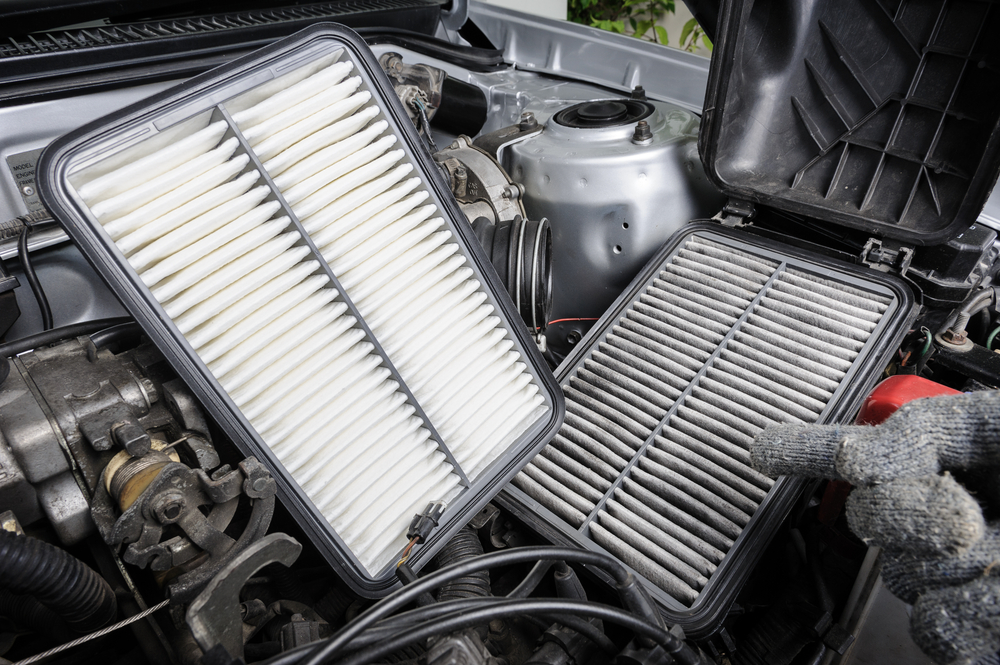
Air filters in cars prevent dirt, dust, pollen, and other contaminants from entering the engine. They ensure that only clean air is reaching the combustion chamber, where the fuel is burned to power your vehicle. Over time, however, the air filter can become clogged with debris, affecting the engine’s performance and fuel efficiency. A dirty air filter restricts airflow, causing the engine to work harder and consume more fuel. Additionally, it can lead to decreased acceleration, rough idling, and even engine misfires. Regularly replacing or cleaning your car’s air filter is a simple but effective way to maintain engine health and prevent costly repairs.

Related: “Routine Maintenance vs Repairs: The Critical Difference and Why Both Matter!”

How to Change Your Air Filter

Changing the air filter in your car is a relatively simple task that can have a significant impact on the performance and longevity of your vehicle’s engine. To begin, locate the air filter housing, which is usually a black plastic box near the engine. Open the housing by removing the clips or screws that hold it together. Take out the old air filter and inspect it for dirt, dust, or damage. If it looks dirty or clogged, it’s time for a replacement. Align the new air filter properly in the housing, ensuring that it fits securely. Finally, reattach the housing cover, making sure all clips or screws are tightened. It’s important to consult your car’s manual for specific instructions and to ensure you purchase the correct air filter for your vehicle. Regularly changing your air filter, typically every 12,000 to 15,000 miles or as recommended by your car manufacturer, will help maintain engine performance and prolong the life of your car.

Related: “Why Do You Need To Hire a Good Mechanic for Your Car?”

Rely On The Professionals

At Mike’s Brake & Alignment, we understand the importance of proper car maintenance, including the regular inspection and replacement of air filters. As a trusted auto service provider in Fort Worth, Texas, we offer professional air filter checks and replacements to keep your vehicle running smoothly. Our experienced technicians are well-versed in the intricacies of various car models and can ensure that your air filter is clean and functioning optimally. Don’t neglect this essential aspect of car maintenance – visit our website at mikesautospa.com or call us at (817) 834-2725 to schedule an appointment today.

Routine Maintenance vs Repairs: The Critical Difference and Why Both Matter!

In the world of automotive care, there are two fundamental categories that every car owner should understand: regular check-ups and fix-ups. At Mike’s Brake & Alignment Shop, we believe that this division not only refers to the complexity of the tasks but also plays diverse roles in your vehicle’s overall maintenance. In this month’s blog, we will walk you through the key differences between maintenance and repairs and illuminate why both are crucial in preserving your vehicle.

Routine Repairs

Routine repairs also referred to as preventive or regular maintenance, are the cornerstone of proactive vehicle care. The main purpose is to maximize the life and performance of your vehicle. However, this category includes some tasks that should be done depending on the time and season, such as oil changes and switching from all-season to winter tires.

By investing in routine maintenance, you can minimize the need for major repairs, thereby safeguarding your investment and ensuring the longevity of your vehicle.

Major Repairs

On the other hand, major repairs are typically unplanned and often result from accidents, prolonged neglect, or parts reaching the end of their lifespan. They are complex tasks such as transmission repairs, installing new brake pads, body work following an accident, or fixing serious electrical issues. These repairs are considerably more time-consuming, expensive and may require specialized knowledge and tools to perform correctly.

Related: Learn more about the importance of hiring a good mechanic for your car here.

The Symbiotic Relationship

Routine and major repairs are interlinked as they represent different aspects of vehicle care. Routine maintenance acts as the first line of defense against major repairs, while neglecting these minor repairs can accelerate the need for the latter.

Simply put, both maintenance and major repairs are not just about keeping your car on the road; they’re about optimizing performance, longevity, and your overall driving experience.

Keep Your Vehicle in Top-Notch Condition Today!

At Mike’s Brake & Alignment Shop, we have the necessary expertise to diagnose and fix any problems that may arise, from engine repairs to electrical issues. Call us at (817) 834-2725 or visit our website at mikesautospa.com to schedule your maintenance or repair service. We’re ready to help you make an informed decision and promise to deliver quality workmanship.

Things to Consider When Buying Winter Tires

Winter is officially here, which means it’s time for winter tires. Have you been overloaded with winter tire ads or related recommendations from your regular service provider? If yes, there’s no need to stress. Here are some of the best tips to consider that will make your decision-making, research, and buying process easier.

First things first: Do you need to purchase winter tires?

If you’re a person living in an area where temperatures regularly dip below 45°F in the winter, then you probably should consider buying winter tires.

Related: “Preparing Your Car for the Winter Weather”

What if you live in an area that doesn’t get much snow?

No matter where you live in the winter, you need to get winter tires for your vehicle.Many people believe that winter tires are only needed when the roads are covered in snow or ice. However, that’s not the case. Installing the best winter tires in your vehicles will provide better grip in cold weather conditions, whether the road is wet or dry.

Things to Consider When Buying Winter Tires

Here are some of the best tips that will help you make the right choice when it comes to purchasing winter tires.

1. Specifications

More importantly, you need to determine what size tires to buy for your vehicle, as purchasing the wrong size tire will make it difficult to drive through snow. Instead, consider getting narrower tires, as they can help prevent you from getting stuck on the road. Here are a few things that you need to consider:

  • Tire Section Width
  • Tire and Wheel Diameter
  • Internal Construction
  • Speed Rating
  • Rubber Quality

Related: “Should I Plug or Patch My Tire?”

2. Reliable Tire Shop

There are numerous tire shops on the market that claim to be the best. But you need to search for a shop that not only provides you with the highest-quality tires, but also a warranty and exceptional services. Purchasing an entire set of tires is an investment, so you don’t want to regret it later.

Our Final Verdict

If it’s getting difficult for you to decide what type of wheel to buy, it’s best to seek advice from a tire expert. We assure you that we will assist you in making the right decision. For professional advice and services, head to Mike’s Brake & Alignment Shop – the best mechanical specialist in Fort Worth, TX. Visit our auto shop or check out our website for more information about our auto services.

Why Do You Need To Hire a Good Mechanic for Your Car?

Vehicles have massively complex systems and are an expensive investment. Keeping your vehicles in tip-top shape requires a lot of time, money, and effort. Mostly, just to save some money, car owners tend to service their own cars or get their cars repaired by a friend. But trust us, this can easily damage your car especially if you have limited experience repairing vehicles. Therefore, it is always recommended to hire a professional mechanic to service your vehicle to ensure optimal safety on the road and that it runs well for years to come. To help you understand better, we have listed some of the reasons why it’s important to hire a knowledgeable and reputable mechanic to work on your car.

1. Professional services for repair and maintenance.

When you’re not constantly upkeeping and maintaining your vehicle, a minor fault can end up becoming a huge problem. Therefore, hiring a professional auto mechanic becomes important because an experienced mechanic will inspect your vehicle and diagnose the problem to offer you a fast repair. They will also ensure that your other car components, such as the engine, brakes, transmission, and belts, are also functioning correctly.

Related: “Tips for Choosing the Right Mechanic”

2. A knowledgeable mechanic can save you money.

Hiring a skilled auto mechanic will save you not only money, but also time. An experienced mechanic will provide you with an excellent value for your money and reduce your bills with efficient and quick fixes. But if you refer to a less reputable mechanic, there’s a chance you will end up increasing your repair cost without the problem being properly resolved. Be sure to research your local auto shops and compare their estimated prices before continuing.

3. They will help you prevent future problems.

Do you want to reduce future maintenance? Then hiring a knowledgeable and highly-rated mechanic is the smartest choice you can make. A professional auto mechanic will address all the vehicle issues, providing you with the peace of mind that all repairs are fully covered and carried out under guarantee.

Related: “Basic Tire Maintenance Every Driver Should Know”

Find Your Professional Mechanic Today!

Your vehicle can have a variety of different issues. Sometimes these problems can be fixed and repaired with some slight adjustments, whereas other times, these vehicle issues can be a complete mystery. Therefore, hiring a knowledgeable mechanic means you won’t have to wait long for your vehicle to get fixed.

If you’re looking for an auto mechanic in Fort Worth, TX, come to Mike’s Brake & Alignment Shop when you need a knowledgeable mechanic for your car. Contact us at (817) 834-2725 today to find out exactly how we can help you keep your car in perfect running condition. Please feel free to explore our online website to learn more about us.

How to Troubleshoot Your Car’s Light Issues

Car lights are an essential part of maintaining the safety and security of your vehicle on the road, especially at night. While headlight technology isn’t overly complicated, there are a lot of different ways headlights can fail. Therefore, if you find that your headlights have suddenly stopped working, it’s important to note the type of failure you’re dealing with and go from there. In this month’s blog, we’ve compiled common light issues that can come like a bolt from the blue and what to do in such cases.

Dynamo Fixture

The dynamo provides direct current through the electrical system of the vehicle with the help of the commuter. In case of a problem with the charging system of the dynamo, there are important parts that will be affected, such as the engine cooling fan as well as the lights. Furthermore, the task of the car dynamo is not limited to that. It also recharges the battery, which is necessary to start the engine of the vehicle. 

Where exactly do you begin? Well, don’t procrastinate and go consult an auto repair shop. 

The Battery

The battery is an essential element that is necessary for the car to operate and the engine to run. But if the battery malfunctions, is poorly charged, or the end of its life is approaching, this affects the illumination strength of the lights. Therefore, your headlights dimming may be a clear indication of a problem with the car battery and that it needs to be charged or replaced.

Related: Learn more about how to jump start a car’s battery here.

A Battery Wire Disconnection Might Be the Blame!

Typically, fuse shortages of the ground wires or some other connections between their poles weaken the light and affect the performance of the headlights or tail lights. However, if your car has no lights at all, the problem is an electrical disruption. We recommend you to start with the fuses and then check all the connectors in the wiring leading to the taillights. Also, check your vehicle service manual for adjustment procedures. If the issue is still not palpable, don’t dilly-dally and take your vehicle to the nearest auto shop in your area.

Conclusion

You may be surprised by the low intensity in the performance of your car lights, especially the headlights. And sometimes, the poor lighting may be evidence of a bigger malfunction in the car, which needs to be maintained immediately so that the car does not break down and stop working completely. The next time you notice a teeny-tiny light issue with your vehicle, call on the local mechanics at Mike’s Brake & Alignment Shop in Fort Worth, TX. Visit our auto shop or check out our website for more information.

Older posts Newer posts